The Birth of an “Other Soul”: Miu Miu’s Origins (1992-1993)
Miu Miu was founded in 1992 by Miuccia Prada, who named the label after her own family nickname, “Miu,” according to Miu Miu’s Wikipedia entry. Prada Group’s official brand page puts the public founding a year later, stating that “Miu Miu was born in 1993 from the independent and unconventional spirit of Miuccia Prada.” Both dates matter: 1992 marks the idea, 1993 marks the debut collection and the brand’s first boutique on Via della Spiga in Milan, per Savoir Flair’s brand history.
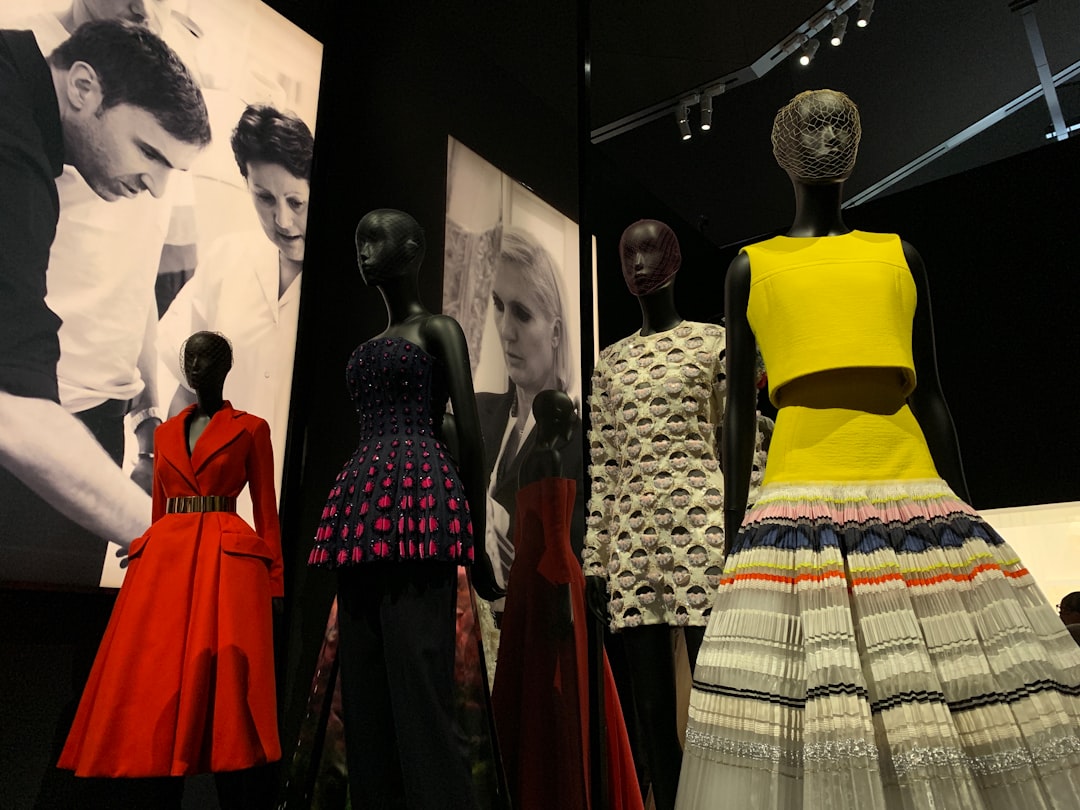
That debut collection was not quiet. It leaned into cowgirl imagery: fringed suede jackets, patchwork prairie skirts, a Western pastiche that had nothing to do with the tailored, minimalist rigor Prada was known for at the time. Prada Group’s own corporate history page calls Miu Miu Miuccia Prada’s “other soul and a laboratory of new expressions of style,” language the company has kept consistent across its official materials for decades. That phrase isn’t marketing gloss added after the fact. It appears in Prada Group’s Company Profile documents as well, reiterating the 1993 date and the same framing tied to Miuccia Prada’s individual, unconventional sensibility.
Worth noting: Miu Miu launched the same year Prada showed its first menswear collection, according to Prada Group’s official history page. Miuccia Prada was building outward on two fronts simultaneously, expanding Prada’s category footprint while opening an entirely separate emotional register under her own initials. That timing suggests less improvisation than portfolio thinking.
A Deliberate Counterpoint: How Miu Miu Diverges From Prada’s Codes
Miu Miu was not built as a diffusion line or a younger sister brand in the generic sense. Savoir Flair’s history describes how Miuccia Prada used the 1992 launch specifically to explore “more extreme and playful looks,” in direct contrast to Prada’s austere design language. The Fashion Law goes further, characterizing Miu Miu as launched “as a deliberate counterpoint to Prada, a space for Miuccia Prada to explore instinct, irony, and subcultural cues without diluting the commercially robust parent brand.”
That last clause is the strategic key. Prada’s business through the 1990s depended on a specific promise: intellectual minimalism, restrained luxury, nylon reinvented as status object. Miuccia Prada needed somewhere to put the ideas that didn’t fit that promise without damaging it. Miu Miu became that container.
Miu Miu vs. Prada: Two Souls, One House. Prada built its reputation on restraint: architectural tailoring, industrial materials elevated to luxury status, a design language that rewards subtlety. Miu Miu was built to do the opposite: irony over restraint, youth over gravitas, instinct over intellect. Same design office, same parent company, deliberately opposing emotional registers.
The regulatory record backs up the strategic framing, too. Prada Group’s HKEX listing document from 2011, filed ahead of the company’s Hong Kong Stock Exchange debut, describes Miu Miu as “designed for women who are particularly fashion-forward and interested in trendy and sophisticated fashion and lifestyle.” The filing also notes that Miu Miu was first licensed to Prada Group by Miuccia Prada before the group later acquired the brand outright, confirming that the separation between the two labels was structured, not incidental.
From Cowgirl Collections to Paris Runways: Key Milestones
Miu Miu began showing full collections from 1994 onward, according to Wikipedia’s account of the brand’s early years, and eventually relocated its runway presentations to Paris Fashion Week, a calendar move that put the label in direct conversation with the industry’s most closely watched shows rather than treating it as a secondary line shown on Milan’s periphery.
That calendar decision carried weight. Showing in Paris alongside Chanel, Dior, and Saint Laurent signaled that Miu Miu was competing for cultural attention on its own terms, not riding on Prada’s Milan schedule. The brand’s runway identity sharpened over the following decades into something instantly recognizable: micro-hemlines, deconstructed tailoring, a wink at bad taste that somehow read as expensive.
The 2020s brought the moments that turned runway recognition into street-level virality. The Fashion Law’s brand-strategy analysis points to specific viral products, the micro-mini skirt, ballet flats, logo underwear, as “reposition moments” that made Miu Miu a genuine zeitgeist brand rather than a niche fashion-insider favorite. Each of those pieces became a meme before it became a wardrobe staple, which is its own kind of marketing efficiency no ad budget can replicate.
Youth as Strategy: Building a Gen Z-Obsessed Identity
Miu Miu’s dominance with younger luxury consumers did not happen by accident of demographics. The Fashion Law frames it explicitly as “youth as strategy,” pointing to casting choices, campaign direction, and collection concepts built around younger, non-traditional faces rather than the industry’s usual supermodel roster. Miu Miu cast for cultural resonance, not just for portfolio prestige.
A 2020-2021 academic analysis published through WE Publishing, examining influence factors on brand image, described Miu Miu during that period as focused on “modern and punk styles,” deliberately positioning itself as “a rich brand with a rebellious image.” That combination, wealth signaling paired with rebellion, is unusual in luxury, where most houses pick one lane. Miu Miu occupies both simultaneously, and that tension is precisely what reads as authentic to younger consumers who are otherwise skeptical of traditional luxury marketing.
For readers building or advising on designer goods holdings, the practical takeaway is this: brand heat among younger consumers today tends to translate into resale demand and secondary-market attention a few years out, as that generation ages into greater purchasing power. Watching which houses win Gen Z’s attention now is a reasonable way to anticipate which pieces hold cultural relevance, and by extension collectibility, later.
The Aesthetic DNA: Irony, Subversion, and “Rebellious Luxury”
Every Miu Miu collection since the 1993 debut has carried some version of the same instinct: take a recognizable, even downmarket reference point and elevate it through fabrication, cut, or context until it reads as expensive irony rather than costume. The original cowgirl collection did this with Western wear. Later collections have done it with schoolgirl uniforms, secretary chic, thrifted-looking cardigans reworked in cashmere.
4YourEyes’ brand story on Miu Miu captures this pattern as a through-line rather than a series of unrelated seasonal experiments, describing the label’s consistent willingness to mine subcultural and “uncool” reference points and render them desirable. This is a harder trick than it sounds. Most luxury brands protect their codes by staying legible and consistent season after season. Miu Miu protects its identity by staying unpredictable, betting that its audience wants surprise more than reassurance.
The irony only works because Miuccia Prada, the designer behind both labels, has spent decades establishing intellectual credibility through Prada first. Miu Miu’s subversion reads as considered rather than careless precisely because it comes from someone who has already proven she understands the rules she’s breaking.
Why It Works: Miu Miu as a Case Study in Brand Architecture
The mechanics behind Miu Miu’s success are transferable to how any conglomerate might think about running two contrasting identities under one roof, and that’s part of why the fashion press and business schools alike keep returning to it as a case study.
Three structural decisions made this work, based on the sourced history above. First, Miuccia Prada kept creative authorship personal rather than delegating Miu Miu to a separate design team early on, which preserved a coherent point of view even as the aesthetic diverged sharply from Prada’s. Second, Prada Group formalized the separation legally and structurally, licensing the brand before acquiring it outright, per the HKEX filing, rather than treating it as an internal sub-line. Third, the company let Miu Miu’s calendar, casting, and campaign direction diverge fully from Prada’s, down to showing on a different runway schedule in Paris.
The result is two houses that share ownership and design leadership but compete for entirely different emotional real estate in a consumer’s mind. That’s a harder balance to strike than it looks. Plenty of luxury conglomerates run multiple houses, but few manage to make each one feel like a complete, self-contained point of view rather than a shelf label distinguished mainly by price point.
What This Means for Collectors and the Designer Goods Market
Miu Miu’s trajectory from a 1993 cowgirl collection to a genuine cultural force in the 2020s illustrates something collectors of designer goods should watch closely: brand heat driven by cultural relevance, not just heritage, increasingly shapes which pieces hold and gain value in the secondary market. A brand that wins younger consumers today often becomes the brand that dominates resale conversation five or ten years from now, as that same generation’s purchasing power matures.
For principals and family-office staff building out designer goods holdings alongside watches, jewelry, and fine art, that means paying attention to cultural signal, not just craftsmanship pedigree, when assessing which pieces are likely to hold relevance. Miu Miu’s viral moments, the micro-skirts, the ballet flats, the logo underwear noted by The Fashion Law, are exactly the kind of cultural markers that tend to translate into sustained collector interest over time.
Pieces from culturally ascendant houses like Miu Miu increasingly represent real, tangible value within a broader designer goods and luxury asset portfolio. That value can be put to work, too, whether a collector is looking to unlock liquidity from an existing collection or simply wants to understand what a piece might be worth as collateral.
Curious what your designer goods and luxury holdings could be worth as collateral?
Frequently Asked Questions
When was Miu Miu founded, and why are there two dates (1992 and 1993)?
Miuccia Prada conceived Miu Miu in 1992, but the brand publicly launched with its debut cowgirl-themed collection and first boutique in 1993. Prada Group’s official materials cite 1993 as the founding year, while background sources like Wikipedia note 1992 as when the label was first established internally.
Is Miu Miu owned by Prada?
Yes. Miu Miu is a brand within Prada Group. According to Prada Group’s Hong Kong Stock Exchange listing document from 2011, Miu Miu was originally licensed to the group by Miuccia Prada before being acquired outright, formalizing it as a distinct brand within the same corporate structure as Prada.
Why does Miu Miu look so different from Prada if the same designer leads both?
Miuccia Prada designed Miu Miu specifically as a counterpoint to Prada’s minimalist codes, using it to explore playful, ironic, and subversive ideas that didn’t fit Prada’s established design language. Prada Group describes Miu Miu as her “other soul and a laboratory of new expressions of style.”
What was Miu Miu’s first collection like?
Miu Miu’s 1993 debut collection was cowgirl-themed, featuring fringed suede jackets and patchwork prairie skirts, according to Miu Miu’s Wikipedia entry and Savoir Flair’s brand history. This set an early precedent for Miu Miu’s pattern of taking unconventional, sometimes downmarket reference points and elevating them into luxury statements.
Why has Miu Miu become popular with younger, Gen Z consumers?
The Fashion Law attributes Miu Miu’s recent cultural rise to deliberate casting, campaign, and collection choices built around younger, non-traditional faces, alongside viral product moments like micro-mini skirts and logo underwear. An academic analysis published through WE Publishing also describes the brand’s 2020-2021 positioning around modern, punk-influenced, rebellious imagery.
Does Miu Miu’s cultural relevance affect its resale or collectible value?
Brand cultural relevance often correlates with secondary-market demand, though specific resale values vary by piece, condition, and market conditions. Collectors typically watch which houses maintain cultural momentum with younger consumers as one indicator of longer-term collectibility, alongside craftsmanship and rarity.
Can I use designer goods like Miu Miu pieces as collateral for a loan?
Asset-based lenders, including Borro, may accept qualifying designer goods and luxury items as collateral, though eligibility, valuations, and loan terms vary by item and lender assessment. Contact a lender directly for a personalized quote rather than assuming a specific value or approval in advance.
Sources
- Prada Group, “Miu Miu: a Brand of Prada Group” (official brand page)
- Prada Group, “Company Profile” (corporate profile document)
- Prada Group, “The History of the Prada Group Over the Years” (official corporate history page)
- HKEX (Hong Kong Stock Exchange), “Our History and Corporate Structure,” Prada Group Listing Document, 2011
- The Fashion Law, “Miu Miu: A Brand-Building Playbook,” 2025
- Savoir Flair, “A Brief History of Miu Miu,” 2023
- WE Publishing, “Analyzing the Influence Factors on Brand Image” (TEBMR journal)
- 4YourEyes (4EYES), “Miu Miu” brand story, 2023
- Wikipedia, “Miu Miu” entry
This article is for informational purposes only and does not constitute financial advice. Loan terms, eligibility, and asset valuations vary. Contact Borro directly for personalized loan quotes. Borro is not a bank.