Why Jewelry Appraisal Is the Foundation of Any Asset-Backed Loan
If you plan to use jewelry as collateral for an asset-backed loan, the appraisal is the single document that determines everything: your eligibility, your loan amount, and the terms you’re offered. A credible, current appraisal from a qualified independent appraiser is not optional — it is the basis on which the entire transaction is built.
Own fine jewelry or diamonds? Borro lends up to 65% of the value of fine jewelry and 50% of diamonds, with loans from $2,500, no credit check and funding in as little as one business day. Get a no-obligation quote or call 720-458-6788.
Yet many borrowers arrive at the lending process with outdated retail insurance appraisals that significantly overstate what their jewelry is actually worth on the secondary market. Understanding the difference between appraisal types, and how lenders use appraisal data, is essential before you enter the process.
Types of Jewelry Appraisals and Which One Matters for Loans
Retail Replacement Value Appraisal
This is the most common appraisal type — the one your insurer likely has on file. It estimates what it would cost to replace your piece with a comparable item purchased new from a retail jeweler. Retail replacement values are typically 2–3x actual resale value, because they reflect retail markup and replacement costs, not what a buyer would pay for your specific piece on the secondary market.
This is the appraisal type that most surprises borrowers. A diamond ring your insurer values at $30,000 for replacement purposes may yield a loan of $8,000–$12,000 based on its actual secondary market value — a very different number.
Fair Market Value Appraisal
Fair market value reflects what a knowledgeable buyer would pay for your piece under normal market conditions — the standard most relevant for lending purposes. This type of appraisal references recent comparable sales, dealer prices, and auction comparables rather than retail replacement costs. Lenders use fair market value as the foundation for their loan offer.
Liquidation Value Appraisal
Liquidation value reflects what could be recovered in a forced or expedited sale — the lowest of the three metrics. Some lenders apply their own internal liquidation haircut on top of fair market value when determining LTV, which is worth understanding when negotiating your offer.
Factors That Affect Jewelry Valuation for Loans
The Diamond — The 4Cs and Beyond
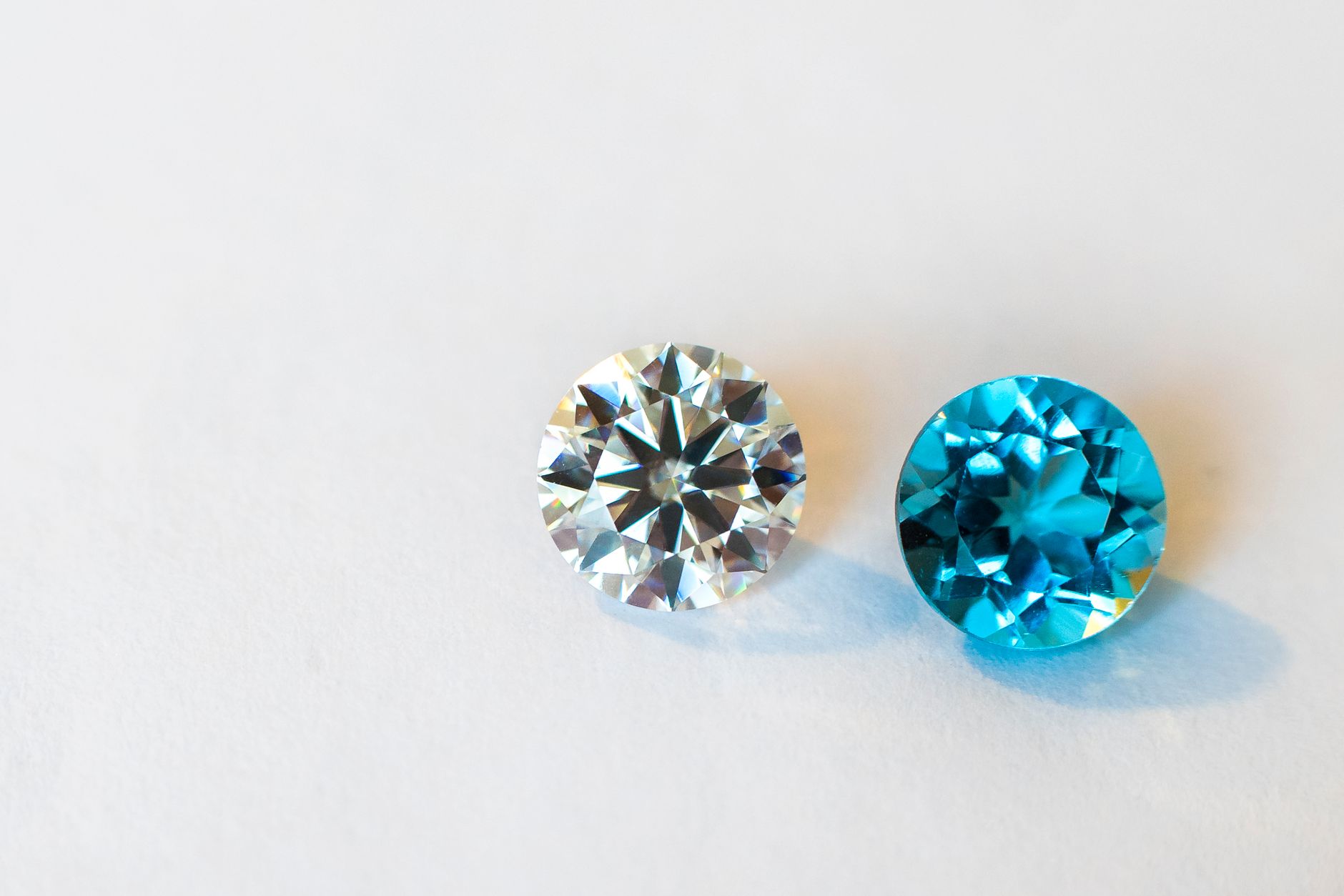
For diamond jewelry, GIA (Gemological Institute of America) grading is the industry standard. Lenders require GIA certificates for significant stones — AGS and HRD are also accepted, but GIA carries the strongest credibility. The 4Cs (cut, color, clarity, carat) establish baseline value, but additional factors affect secondary market price:
- Cut quality — Excellent or Ideal cut diamonds carry meaningful premium over Very Good or Good
- Shape — Round brilliants have the deepest secondary market. Fancy shapes (pear, marquise, cushion) fluctuate more with trend
- Fluorescence — Medium to strong fluorescence typically reduces value in colorless stones
- Provenance — Stones with documented non-conflict origin may command a modest premium in some markets
Signed Pieces — Brand Premium
Jewelry from major houses carries significant brand premium over generic fine jewelry of equivalent material value. Signed pieces from Cartier, Van Cleef & Arpels, Bulgari, Harry Winston, Tiffany & Co., and David Webb command premiums ranging from 30% to several multiples of intrinsic value, depending on rarity, design recognition, and condition. Lenders familiar with the signed jewelry market will reflect this in their offers; those without luxury market expertise may not.
Condition
Prong wear, missing stones, cracked shanks, and poor rhodium plating all reduce value. Pieces in excellent condition with no visible wear command stronger offers. Major visible damage may require repair before lending is possible.
Documentation
Original purchase receipts, GIA certificates, designer certificates of authenticity, and recent appraisals all strengthen your file. The lender’s intake appraisal carries the most weight, but documentation helps establish provenance and accelerates the process.
How Lenders Conduct Their Own Appraisal
Reputable asset-backed lenders employ or partner with GIA Graduate Gemologists or equivalent credentialed specialists for in-house assessment. Your piece is examined under magnification, compared against current wholesale and auction market data, and formally valued. This internal appraisal determines the loan offer — it may differ from any external appraisal you bring, and the lender’s number governs.
Where a Jewel’s Story Meets Its Paperwork
Every great piece of jewelry has two lives. The first is the one you feel: the little breath of recognition when a clasp closes, the way a stone catches the light as you cross a room. The second is quieter and lives in a folder. An appraisal, a grading report, a date, a number.
It is worth loving both. The paper does not diminish the stone. If anything, it gives the stone a voice that other people can hear. A fair market appraisal, the kind that reflects what a knowledgeable buyer would genuinely pay, is a fine companion to a jewel you have owned for years. It says, plainly, that you know exactly what you have.
Many owners are surprised by the gap between an insurance figure and a market one. That is not a disappointment. It is simply the difference between how much it would cost to replace something and how much someone would pay for it today. Knowing the difference is its own kind of confidence, and it makes every conversation about your jewelry calmer.
When you want capital without letting a favorite piece go, Borro lends against fine jewelry and diamonds. The piece rests in secure, insured safekeeping, stays yours, and returns to you when you repay. The story stays with you either way.
Frequently Asked Questions
How much can I borrow against my jewelry?
Borro lends up to 65% of the value of fine jewelry and 50% of diamonds, with loans from $2,500, no credit check and funding in as little as one business day once approved.
Why is my loan offer lower than my insurance appraisal?
Insurance appraisals use retail replacement value — what it costs to buy a comparable piece new. Loan offers are based on secondary market fair market value, which is typically 30%–60% of retail replacement. This is normal, not a sign of a lowball offer.
Do I need a GIA certificate to get a jewelry loan?
For significant diamond pieces, yes — GIA certification is strongly preferred and often required. For colored stones, AGL or GRS reports serve a similar function. For non-certified pieces, the lender’s gemologist will conduct their own assessment.
Does the appraisal I bring affect my loan offer?
It informs the process and helps establish provenance, but the lender will conduct their own appraisal. Their internal valuation determines the actual offer.
Does jewelry brand or designer matter for loan value?
Yes, significantly. Signed pieces from Cartier, Van Cleef, Bulgari, and similar houses carry a brand premium that increases both appraisal value and loan offers compared to unsigned jewelry of equivalent material weight.
How long is a jewelry appraisal valid for loan purposes?
Lenders prefer appraisals completed within 12–24 months, as market values shift. For significant pieces, it’s worth commissioning a fresh appraisal if your existing one is more than two years old.
Where is my jewelry kept during the loan?
In fully insured, secure safekeeping, and it is returned when you repay.
Does Borro check my credit?
No. The jewelry secures the loan.
Ready to unlock your asset’s value? Borro has lent more than $1 billion and holds an A+ BBB rating. Apply now or call 720-458-6788 to speak with a valuation expert.