Spring 2026’s auction season spans the most significant sales calendar of the year. Christie’s and Sotheby’s New York post-war and contemporary art evening sales in May, Phillips Watches New York, Christie’s Jewels, RM Sotheby’s New York collector car sale, and a dozen other major events across categories converge in an eight-week window that creates both the greatest acquisition opportunities and the sharpest capital demands of the calendar year.
Own luxury assets? Borro lends against watches, jewelry, diamonds, gold, designer handbags, cars and fine art, with loans from $2,500, no credit check and funding in as little as one business day. Get a no-obligation quote or call 720-458-6788.
For collectors whose capital is deployed in illiquid positions — real estate, private equity, or other luxury assets — Borro provides the bridge capital to participate without disrupting long-term financial structures. This guide explains how Borro’s spring auction bridge loan process works across the three main categories: art, jewelry/watches, and collector cars.
The Auction Capital Problem
Auction houses require full payment — hammer price plus buyer’s premium, which ranges from 15–26% depending on the house and lot price — within 7–10 business days of the sale. The buyer’s premium alone on a $500,000 hammer can add $80,000–130,000 to the cash requirement. For lots where bidding exceeded the pre-sale estimate (common at strong spring sales), buyers may find themselves committed to more capital than they’d anticipated. Borro’s bridge loans provide the gap capital — or the full acquisition capital — quickly after the sale result, with funding in as little as one business day once approved.
Spring 2026 Category Guide
Art: May New York Sales
Christie’s and Sotheby’s 20th Century and Contemporary Evening and Day Sales in May are the season’s centerpiece events. Borrow against existing art holdings, watches, or jewelry to fund acquisitions. Typical process: preliminary estimate against your existing collateral submitted 2 weeks before the sale, formal appraisal and facility established 1 week before, draw against the facility after the hammer falls.
Watches: Phillips, Christie’s, Sotheby’s
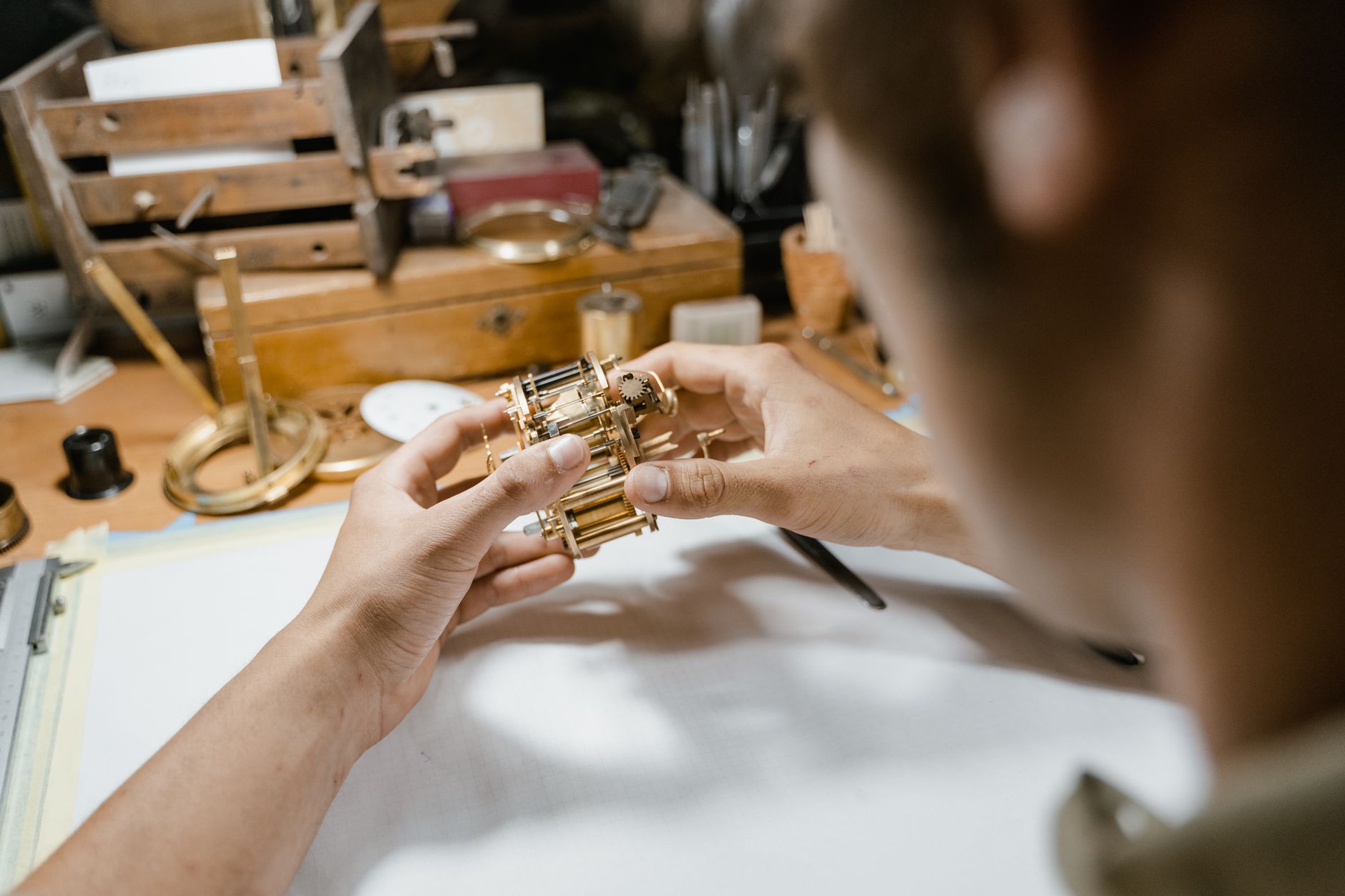
The major spring watch auctions — Phillips New York in May, Christie’s Watches, Sotheby’s Important Watches — feature some of the rarest Patek, Rolex, and independent horology pieces that will come to market this year. Borrow against existing watch holdings to fund acquisitions, then repay when you’ve decided which piece to sell from the upgraded collection.
Collector Cars: RM Sotheby’s, Barrett-Jackson
RM Sotheby’s New York sale in December and the spring Barrett-Jackson events bring significant Ferrari, Porsche, and other collector vehicles to auction. Car loans require vehicle storage arrangements — contact Borro in advance of car auction season to discuss logistics for potential automotive acquisitions.
How to Prepare for Spring 2026 Bridge Capital
- Now (April): Identify the assets you can use as collateral and contact Borro for preliminary estimates. Establish a facility before the sale season peaks.
- Pre-sale (2 weeks before): Submit assets for formal appraisal and confirm facility terms. This eliminates any delays between hammer and payment.
- Post-sale: Draw against your established facility; funds can arrive in as little as one business day.
- Post-season (60–120 days): Repay loan from planned capital events — portfolio distribution, property sale, business income, or sale of a collection piece at the fall auction season.
The Paddle in Your Hand and the Pulse in Your Ears
Anyone who has bid in a full room knows the moment. The auctioneer’s voice drops half a tone, the paddle feels heavier than it did a second ago, and the only sound is a slow, shared breath. You raise your hand before you have finished deciding. That is the thrill the article above is written for.
It is also the moment when preparation matters most. The hammer falls and the cash is due within days, premium included. A collector who has done everything right can still be caught between conviction and capital, and the sharpest sense of loss comes not from missing the lot but from hesitating because the funds were somewhere else.
There is an elegance to arriving with options. You watch the room with a steadier mind, because the piece you already own, the watch in its box at home or the jewel that has outlasted three fashions, is not just a possession but a quiet source of readiness. You do not have to sell it. You simply let it help.
That is the spirit of working with Borro: you can borrow against a piece you own, keep ownership, and collect it again when you repay. It stays in secure, insured safekeeping in the meantime. If a sale season is approaching and you would like to know how auction-quality assets can support you, you can ask without any obligation.
Frequently Asked Questions
What can I borrow against with Borro?
Watches, fine jewelry, diamonds, gold and precious metals, designer handbags, luxury and classic cars, and fine art, with loans from $2,500.
Can I establish a Borro facility before knowing exactly what I’ll buy?
Yes. Establish the facility against your collateral in advance; draw only against specific lots when you need to. Pre-establishing the facility removes the appraisal lead time from the post-hammer window, so you draw against an approved facility rather than starting the process after the sale.
What’s the maximum bridge loan Borro can provide for an auction purchase?
Borro’s loan amounts are determined by the value of the pledged collateral, not the purchase price. If your existing collection supports $2,000,000 in collateral loans, that’s your maximum draw. Contact Borro in advance for significant auction financing needs so we can assess your collateral portfolio and confirm available facility size before the sale.
Ready to unlock your asset’s value? Borro has lent more than $1 billion and holds an A+ BBB rating. Apply now or call 720-458-6788 to speak with a valuation expert.