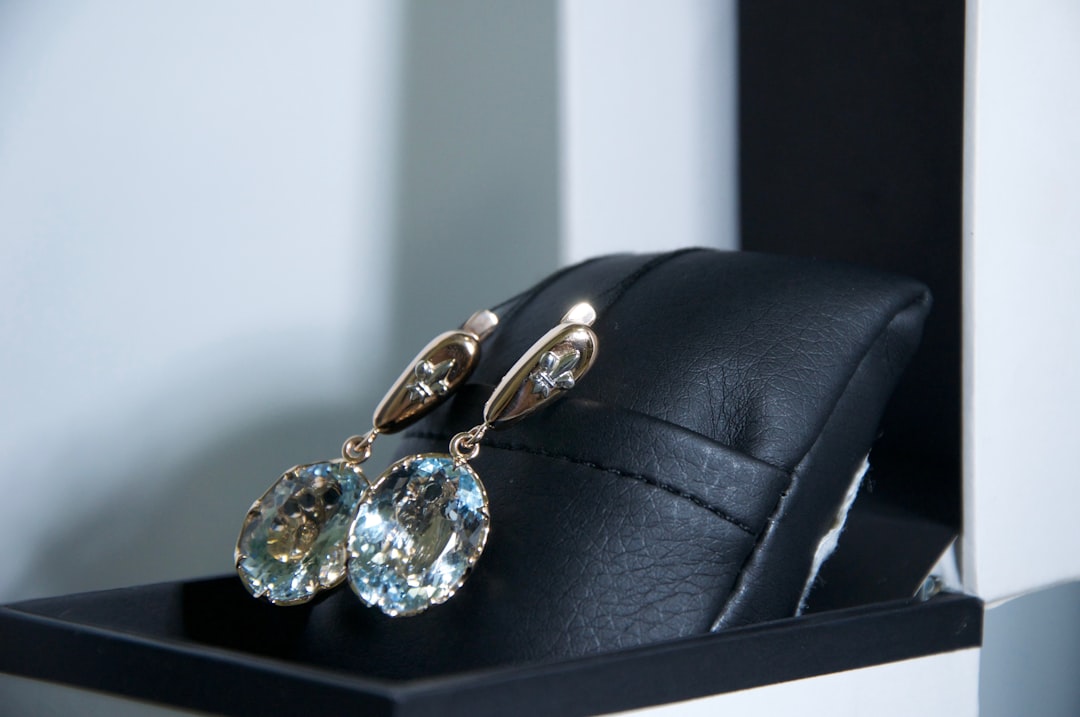

The National Retail Federation’s annual Mother’s Day survey, released this week, projects that American consumers will spend a record $38 billion for Mother’s Day 2026 — and jewelry will lead every category on the list at $7.5 billion, with 45 percent of respondents planning a jewelry purchase, up from 42 percent a year ago. The average planned spend per person is $284.25, also a record. For auction specialists and asset-minded buyers, those top-line numbers deserve a closer read than a retail headline typically gets.
The $7.5 billion figure sits below the 2024 peak of $7.8 billion but above last year’s $7 billion, which means demand recovered after a post-pandemic correction, stabilized, and is now re-accelerating. That shape — correction, stabilization, re-acceleration — is precisely the pattern the collector market tracked through the same window. Sotheby’s reported luxury category revenue of $2.7 billion in 2025, up 22 percent year over year. Christie’s luxury division was up 17 percent to $795 million. The two cycles are not independent.
Consumer-tier jewelry demand sets pricing pressure from below that eventually flows upstream into the fine jewelry and signed-piece tiers that Sotheby’s, Christie’s, and Phillips service. When the NRF data shows the jewelry wallet expanding for a sustained second consecutive year, it is a leading indicator for the institutional auction calendar — not a lagging one. The spring New York jewelry sales, now entering their final weeks, are priced against that backdrop.
Rapaport’s analysis of Mother’s Day jewelry output notes that diamond-category spending is expected to constitute the plurality of the $7.5 billion pool, with colored stones and signed pieces from heritage houses — Cartier, Van Cleef & Arpels, Tiffany — increasingly claiming the upper allocation. That migration toward provenance and authorship inside the consumer tier mirrors exactly what the auction market flagged through 2025: unsigned stones are underperforming signed and storied pieces at the same price points.
The format shift matters too. The NRF data shows a growing share of consumers purchasing at specialty jewelers and directly from brand boutiques rather than department stores — a channel realignment that concentrates transaction value in the same retail corridors, from Fifth Avenue to Rodeo Drive, that the U.S. art and luxury market rebound has already identified as demand anchors for 2026.
Mother’s Day arrives May 10. The window between now and then is the tightest, highest-velocity retail week in the fine jewelry calendar. Wholesale pricing in the Diamond District and trade show comps from the NYCJAOS Spring Edition — which closed its four-day run on April 26 with 160 exhibitors at near-full capacity — are already reflecting the demand signal. Argyle pinks, signed Italian pieces from the 1960s, and period Tiffany are carrying the strongest premium over estimate in this pre-holiday cycle.
For buyers who track jewelry as an asset class, not merely a gift category, the NRF read-through is straightforward: consumer demand is healthy, the channel is concentrating, and the spring auction calendar is scheduled to capture the premium tier exactly when discretionary wallet share for this category peaks. The Asia watch and jewelry records set in Hong Kong last week underscore that the collector tier is moving in the same direction, one price tier above the NRF’s survey pool.
The fine market does not take direction from the mall. But when the NRF’s broadest consumer survey and the top-tier auction record are both running upward in the same spring cycle, that alignment is worth noting.