The luxury asset market in Q1 2026 is operating in a post-normalization phase — the speculative froth of 2021 and 2022 has fully cleared, and what remains is a market driven by genuine collector demand, supply constraints, and fundamentals-based pricing. For owners of high-value assets, this represents one of the more favorable environments for collateral lending in recent years: appraisals are grounded, loan-to-value ratios are predictable, and lenders are not discounting against feared corrections that have already occurred.
The Big Picture: Normalization Is Complete
The Bain & Company luxury goods market report confirms what collectors already know — global personal luxury goods growth slowed significantly through 2024 and 2025 as macro headwinds, Chinese consumption softness, and post-pandemic normalization converged. But by Q1 2026, the correction has largely completed. What is emerging is a two-speed market: top-tier, supply-constrained assets are holding or appreciating; mid-tier, widely available assets are finding equilibrium at lower levels.
For collateral borrowers, this bifurcation matters. Borro’s appraisers now see clearly defined tiers within each category — and the assets in the top tier continue to support strong loan-to-value ratios.
Watches: Independent Horology Leads
The watch secondary market has absorbed its post-2022 correction and found stable trading ranges. Rolex sport references — Submariner, GMT-Master II, Daytona — are no longer declining but are not re-accelerating either. Chrono24 and WatchCharts data for early 2026 show Rolex sport models trading within 10–15% of their 2023 corrected levels, with no significant directional pressure.
Patek Philippe Nautilus and Aquanaut models show similar stabilization after absorbing their own correction from speculative highs. Both remain significantly above retail — supporting strong collateral positions for owners — but the pure arbitrage dynamic that characterized 2021–2022 has normalized.
The strongest performer in Q1 2026 is independent horology. F.P. Journe, De Bethune, MB&F, and Voutilainen pieces continue to appreciate, driven by genuine scarcity, strong collector community engagement, and increasing institutional recognition. An F.P. Journe Tourbillon Souverain that traded at $180,000 in 2022 is now regularly clearing $280,000+ at auction. For collateral purposes, independent pieces require specialist appraisal but often support higher loan-to-value ratios than their production counterparts.
Handbags: Hermès Holds, Chanel Surges
Jane Birkin’s original prototype Birkin achieved $10.1 million at Sotheby’s in July 2025 — setting a record that cemented Hermès handbags as unambiguously investment-grade assets. The broader Birkin and Kelly market has normalized to healthier premium levels: Bernstein Research estimates average resale premiums at approximately 1.4x retail in early 2026, compared to 2.2x at the 2022 peak. This is sustainable. It reflects genuine demand, not speculation, which makes Hermès handbags excellent collateral assets.
The story of Q1 2026 in handbags is Chanel. Matthieu Blazy’s debut Spring/Summer 2026 collection has triggered the strongest demand surge Chanel has seen in nearly a decade. His reimagined 2.55 and recontextualized Classic Flap are creating waitlists at Chanel boutiques globally. Secondary market prices for pre-Blazy Chanel have modestly corrected on uncertainty about the new direction, while early Blazy-era pieces are already commanding premiums. For owners of Chanel classics, valuations are brand-supported and stable.
Exotic Cars: The Final Combustion Era
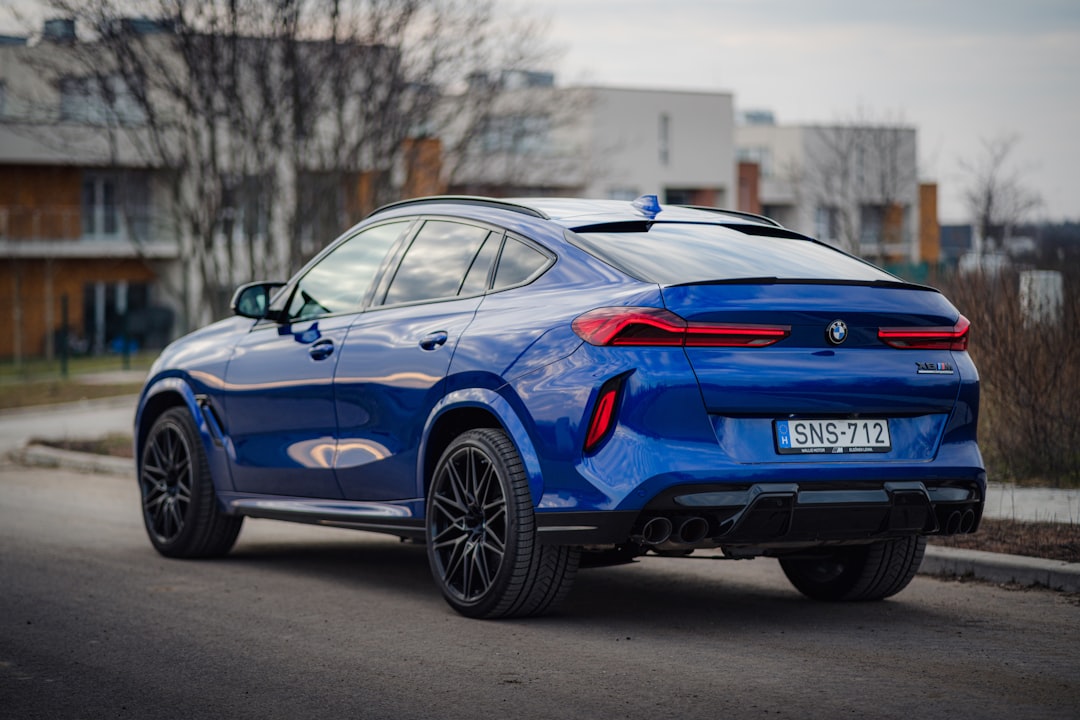
The discontinuation of iconic combustion powertrains has created defined collector premiums for final-edition models. The last Bentley Continental GT W12 — production ended in 2024 — is already trading above its original MSRP for low-mileage examples. The final Lamborghini Huracán (V10) and Aventador (V12) are similarly tracking toward collectible status.
Meanwhile, new hybrid and electric platforms are establishing their own depreciation curves. The fourth-generation Bentley Continental GT Speed — now running a 771 hp hybrid V8 — is finding its market at slightly below MSRP for early examples, consistent with typical luxury car depreciation in year one. The 2026 Mercedes S-Class facelift, with 2,700 new components and Level 4 autonomy, has reset the benchmark for ultra-luxury sedans.
For collateral purposes, the current auto market presents clear opportunities: final-edition combustion cars from established makers are holding values at levels that support strong LTV positions, while pre-facelift current-generation models have absorbed their mid-cycle discount and offer stable collateral at accessible entry points.
Art and Collectibles: Selective Demand
The broader art market remains bifurcated. Blue-chip works — Post-War and Contemporary with established auction histories — continue to find buyers at strong levels. Mid-market decorative art and emerging artists have faced more pressure. Christie’s, Sotheby’s, and Phillips have all noted increased buyer selectivity, with premium lots clearing above estimate while secondary works occasionally pass. For collateral purposes, art remains viable but requires more conservative LTV assumptions than watches, handbags, or luxury vehicles.
What Q1 2026 Means for Collateral Borrowers
The post-normalization environment is genuinely favorable for collateral lending. Three conditions that benefit borrowers are now in place:
- Grounded appraisals: Values are no longer inflated by speculative demand, which means appraisals reflect sustainable market positions rather than peaks that require discounting
- Predictable loan terms: Lenders can price accurately, reducing the margin buffers that characterized the uncertain 2023–2024 correction period
- No forced selling: Owners who access liquidity through collateral loans retain their assets through any remaining price normalization — positioning to benefit when appreciation resumes
If you own watches, handbags, exotic vehicles, or fine art and need liquidity without selling, Q1 2026 is an effective time to explore a collateral loan. Borro offers confidential same-day appraisals with no credit check required — your asset’s value is the only criteria that matters.