
The luxury handbag landscape in 2026 is defined by creative director transitions, evolving collector behavior, and a resale market that increasingly functions as a price discovery mechanism for serious asset owners. For anyone considering a handbag as collateral for a loan — or simply trying to understand what their collection is worth — these are the trends that matter.
The Blazy Effect at Chanel
Matthieu Blazy’s debut Spring 2026 collection for Chanel created the most significant demand surge the house has seen in nearly a decade. His reimagined 2.55 — deliberately softened and lived-in, with malleable wire framing that allows owners to reshape the silhouette — represents a philosophical shift from the rigid, logo-forward approach of recent years. Fashion sourcing experts report unprecedented inbound requests, including from clients who were not previously Chanel buyers. The Preppy Coco at $5,100 and oversized tote bags have driven foot traffic, while the Classic Flap (now retailing above $11,000) continues to anchor the resale market. The net effect for collateral value: older Chanel bags in excellent condition are holding strong, while Blazy-era pieces will take 12-18 months to establish resale baselines.
Hermès: Record Auctions Anchor the Category
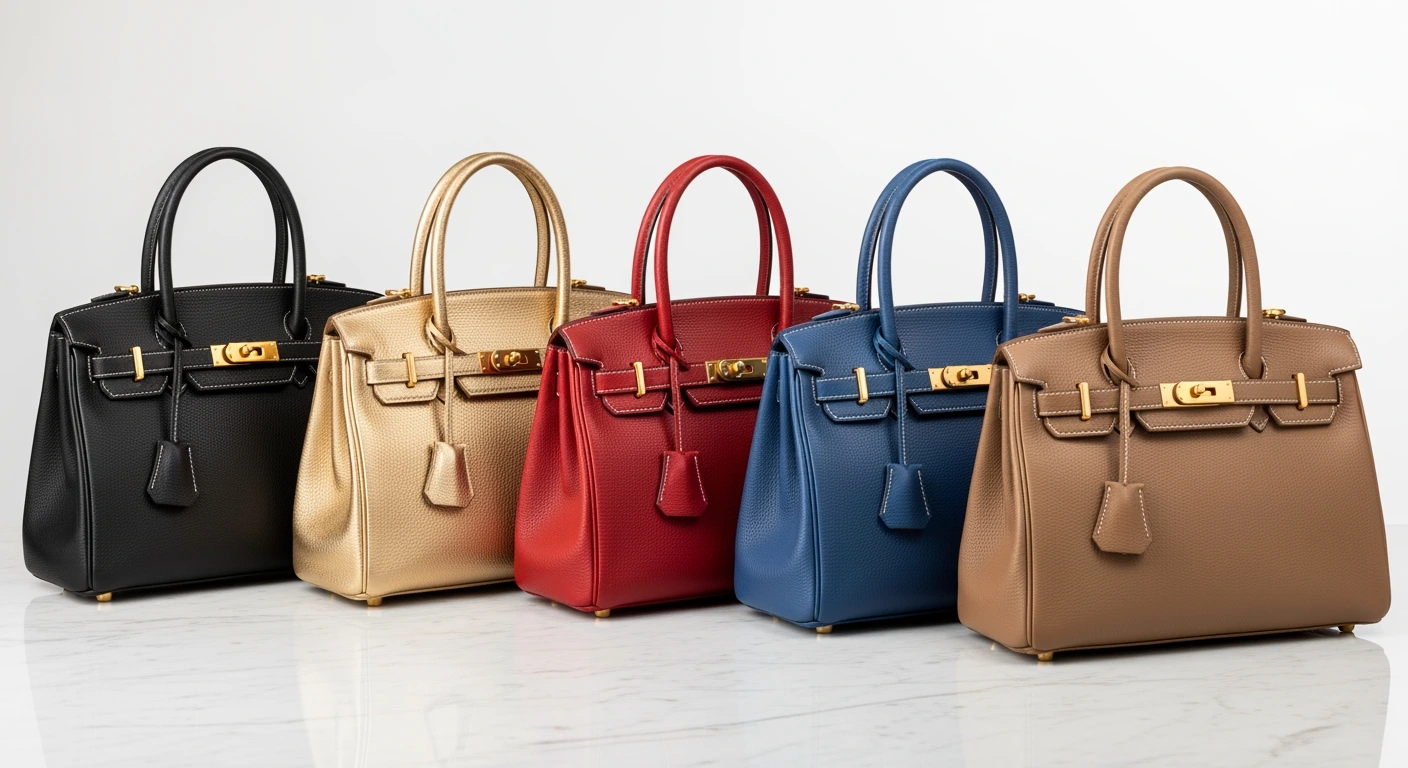
Jane Birkin’s original prototype Birkin selling for $10.1 million at Sotheby’s in July 2025 was a watershed moment — not just for handbag collecting but for luxury assets broadly. The sale was followed by Le Birkin Voyageur achieving $2.9 million in December 2025 in Abu Dhabi. These results reinforce Hermès handbags as blue-chip collectibles with auction liquidity rivaling fine art. On the everyday resale market, Birkin 25 and Kelly 28 models in neutral colors continue to trade above retail, though Bernstein Research data shows the average resale premium has normalized from its 2022 peak. This normalization actually benefits collateral lending — it means current valuations are grounded in sustainable demand rather than speculative froth.
The Rise of Oversized and Functional Silhouettes
Across runway presentations for 2026, oversized bags dominate: bowling bags, barrel shapes, maxi flaps, and structured totes. The Gucci Giglio tote has become one of the most visible It bags of 2026, backed by celebrity adoption. Prada’s nappa leather pouches and Miu Miu’s buckled bags signal a move toward bags that function as daily-use objects rather than display pieces. For the collateral market, this trend favors bags that show graceful aging — soft leathers that develop patina rather than rigid constructions that show wear negatively.
Vintage and Beat-Up Is Now Premium
The “beat-up bag” trend — driven by the Chloé Paddington revival, Balenciaga Le City resurgence, and Jane Birkin’s famously worn-in original Birkin — has reversed the traditional assumption that bags must be pristine to hold value. Depop reported a spike of over 1,000% in searches for vintage Paddington bags. This trend benefits handbag loan borrowers: bags with honest wear now have a broader collector market than they did even two years ago, which can support stronger loan-to-value ratios on vintage pieces that might previously have been discounted for condition.
What These Trends Mean for Your Handbag’s Collateral Value
The 2026 handbag market rewards three things above all: brand heritage (Hermès, Chanel, Louis Vuitton), scarcity (limited editions, discontinued models, vintage), and condition relative to market expectations. Borro’s appraisers track all of these dynamics in real time. If you’re considering a collateral loan against a luxury handbag, the process starts with a confidential assessment of your bag’s current market position — not what you paid for it, but what the secondary market says it’s worth today.