
Collateral Value of Pearls and Colored Gemstones
Diamonds dominate the conversation around jewelry collateral, but pearls and colored gemstones carry meaningful loan value for owners who know where to look. South Sea pearls, natural Burmese rubies, Kashmir sapphires, Colombian emeralds, and other premium gemstones command strong prices on the secondary market — and that value can be unlocked through a collateral loan without selling. Borro’s gemological team includes specialists with expertise in colored stone and pearl evaluation, ensuring your non-diamond pieces receive accurate, market-informed valuations.
Pearl Loans: What Drives Value
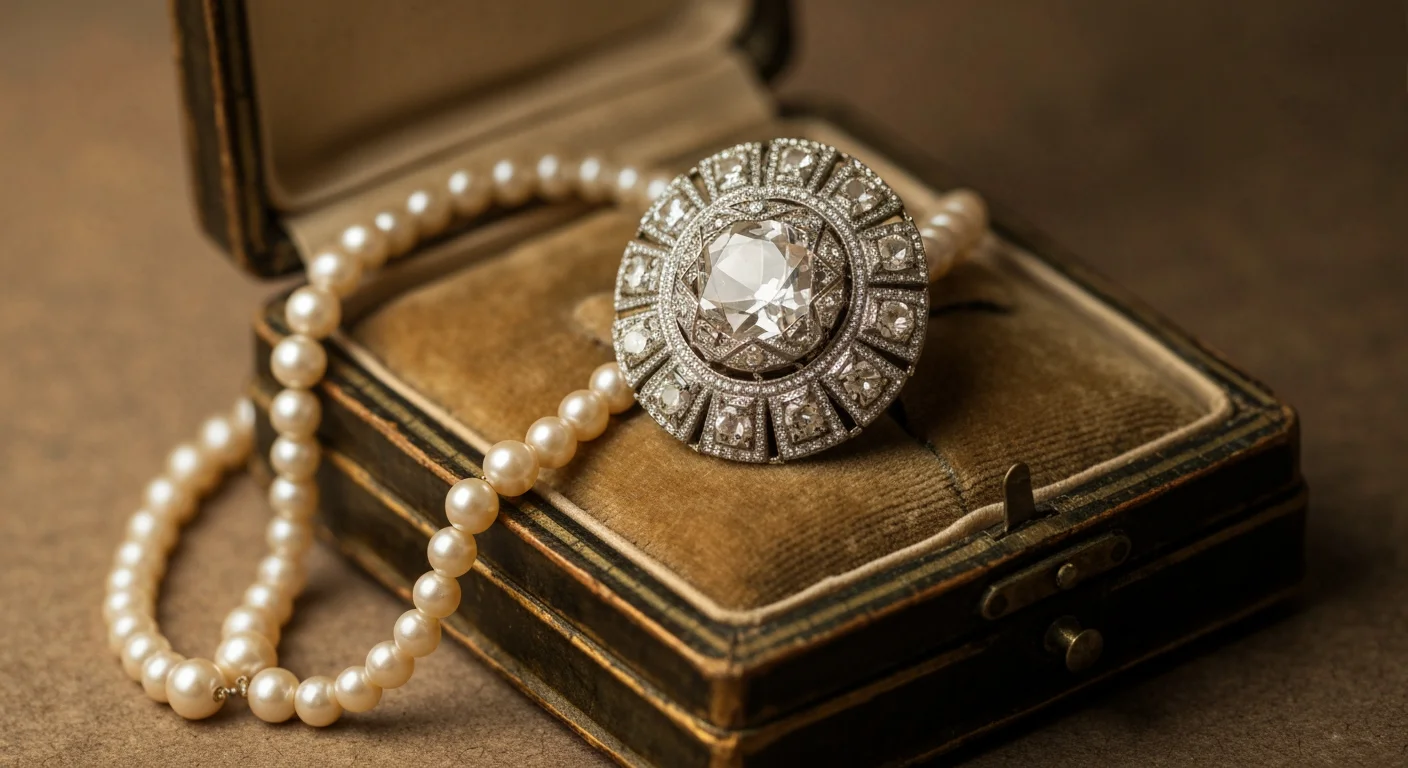
Pearl loan values depend on type, size, luster, surface quality, and origin. South Sea pearls (white and golden) from Australia and the Philippines command the highest values, particularly in large sizes with exceptional luster. Tahitian pearls with strong peacock or pistachio overtones carry premium value. Natural pearls — those formed without human intervention — are exceptionally rare and can carry values that dwarf even the finest cultured pearls. Akoya pearl strands with strong matching and excellent luster carry solid collateral value. Mikimoto, Tasaki, and other signed pearl pieces receive brand premiums in valuation.
Colored Gemstone Loans: Beyond Diamonds
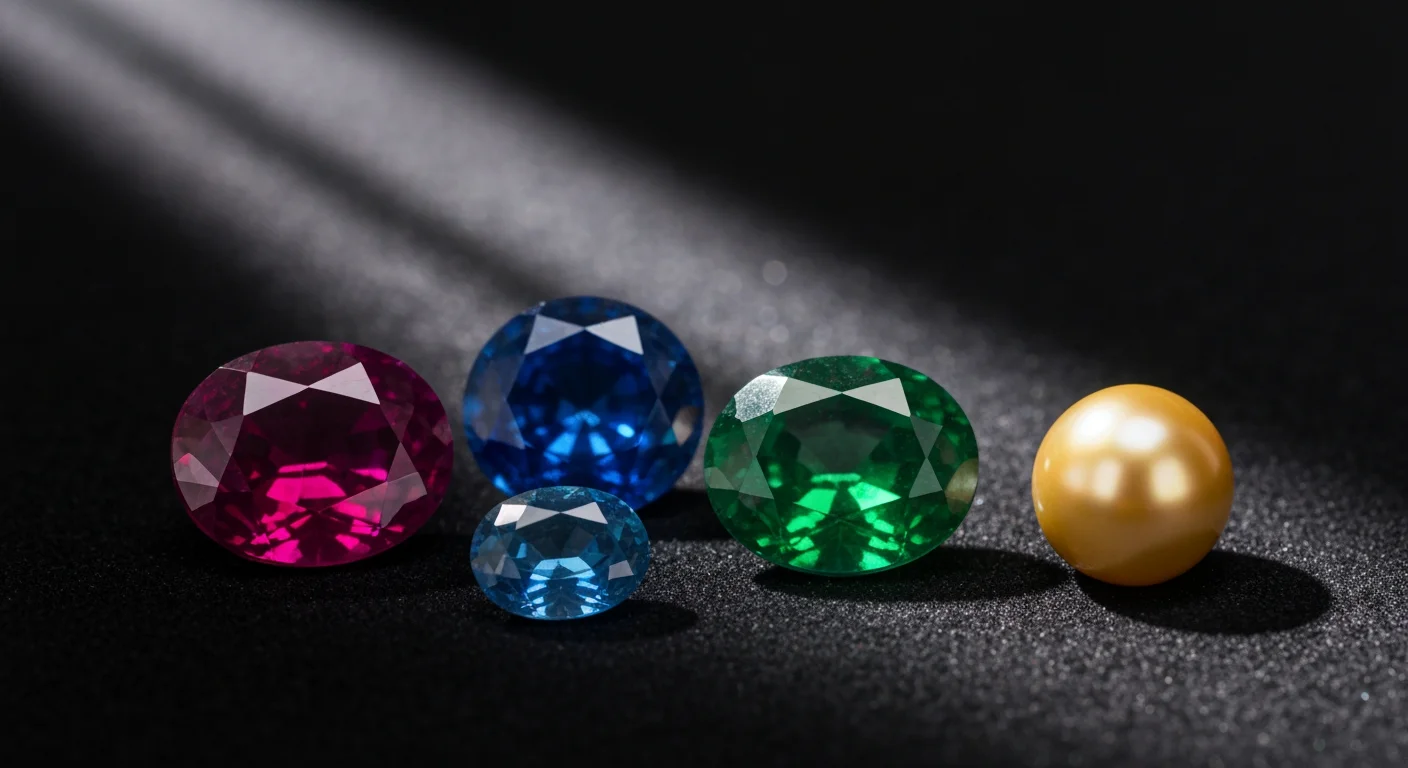
Colored gemstones are valued by a combination of species, color saturation, origin, treatment status, and size. Rubies from Burma (Myanmar), particularly those with “pigeon blood” color and no heat treatment, represent some of the highest per-carat values in all of gemology. Sapphires from Kashmir are legendary for their velvety blue color, while Ceylon (Sri Lanka) and Madagascar sapphires also carry strong loan value. Emeralds of Colombian origin with vivid saturation and good transparency command premium collateral terms. Alexandrite, paraiba tourmaline, padparadscha sapphire, and other rare varieties carry exceptional value relative to size.
Lab certification from GIA, Gübelin, SSEF, or Lotus Gemology confirms origin and treatment status, which can significantly affect valuation — particularly for untreated stones from prestigious origins.
The Evaluation Process for Non-Diamond Gems
Colored gemstone and pearl evaluation requires specialized expertise beyond standard diamond grading. Borro’s team assesses color quality and saturation, clarity and transparency, origin determination (often the single largest value driver for colored stones), treatment status, cutting quality and proportions, and size and carat weight. These factors are weighed against current auction and dealer market data for comparable stones.
Frequently Asked Questions
Does Borro accept all types of gemstones?
Borro evaluates gemstones with established secondary market value. Precious gemstones — rubies, sapphires, emeralds — and rare collector gems carry the strongest loan potential.
Do I need a gem lab certificate?
Certification from a recognized laboratory is extremely valuable for colored stones, as origin and treatment status dramatically affect value. However, Borro can evaluate uncertified stones through physical inspection.
Can I borrow against a pearl necklace?
Yes. Pearl strands, particularly South Sea, Tahitian, and natural pearl pieces, carry meaningful collateral value that Borro can assess.
Are synthetic or lab-grown gemstones accepted?
Borro focuses on natural gemstones with established secondary market value. Lab-grown stones do not typically carry sufficient resale value for collateral lending.