
Luxury handbags occupy a unique position in the world of tangible assets — they are among the few consumer goods that routinely appreciate in value over time, with certain models generating returns that outpace traditional financial instruments. For owners of high-value designer bags, this appreciation creates an opportunity: access significant liquidity by borrowing against the bag’s value without selling it.
This guide explains what determines a luxury handbag’s value as collateral, how authentication works, and how the lending process preserves your asset while providing the capital you need.
What Makes a Luxury Handbag Valuable?
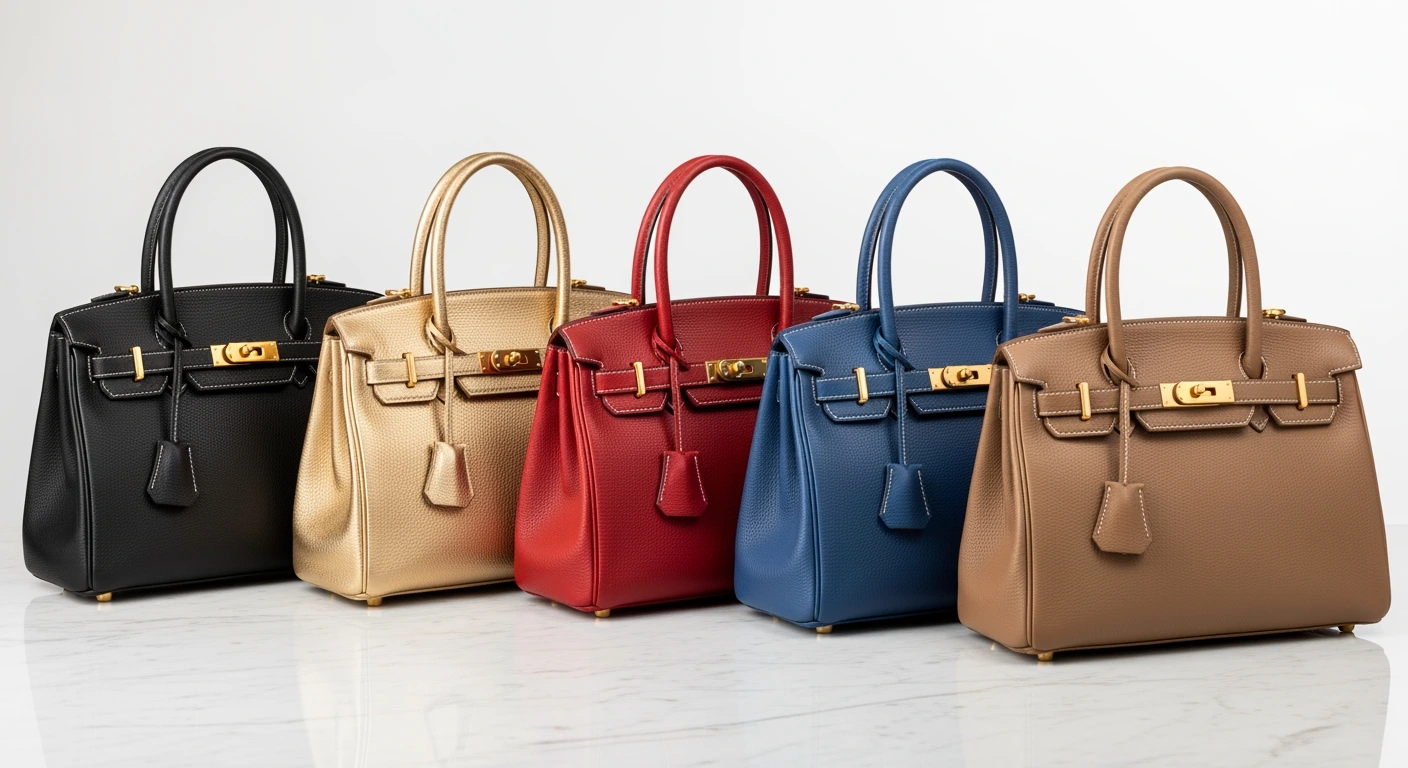
Brand and model. The hierarchy of value in luxury handbags is well-established. Top-tier models from recognized houses command the highest valuations because they combine exceptional craftsmanship with controlled production volumes and sustained secondary market demand. The specific model matters more than the brand alone — a house’s flagship structured leather bag holds value differently than its seasonal canvas tote.
Leather type and quality. The material determines both the bag’s aesthetic character and its long-term durability. Exotic leathers (alligator, crocodile, ostrich, lizard) command premiums that can be several multiples of the same model in standard leather. Among standard leathers, the specific type and finishing affect value — different tanning and finishing methods age differently and have distinct collector followings.
Color. Classic neutrals (black, gold, natural tan, etoupe, etain) maintain the broadest demand base. Rare or discontinued colors can command dramatic premiums — collectors actively seek specific shades that were produced in limited quantities or for limited periods. Color strategy for value retention favors timeless shades over trend-driven seasonal releases.
Hardware. Gold-tone (often palladium-plated brass) and palladium hardware are standard. Rose gold hardware commands premiums. Hardware material, finish quality, and condition significantly affect both authenticity assessment and value.
Authentication: What Specialists Examine
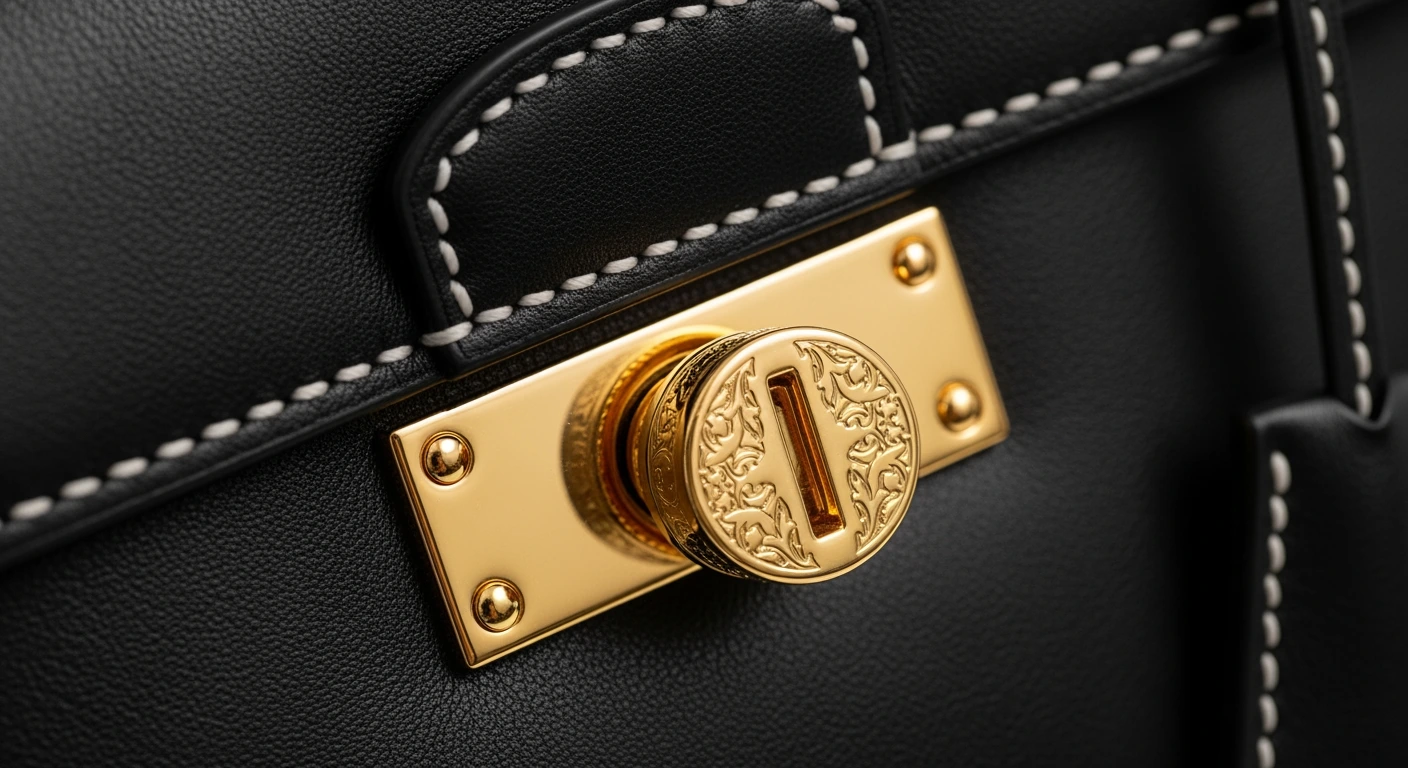
Authentication of luxury handbags requires examining multiple markers simultaneously — no single indicator is sufficient because high-quality counterfeits may replicate individual features but consistently fail on the combination.
Stitching. Certain luxury houses are known for hand-stitched saddle stitching using twin needles and waxed linen thread. This technique creates a distinctive angled stitch pattern that is almost impossible to replicate by machine. Each stitch should be uniform in size and spacing, with the thread lying cleanly in the leather’s stitch channels.
Hardware weight and finish. Genuine luxury hardware is noticeably heavier than counterfeit equivalents — solid metal versus hollow or plated components. The finish should be perfectly even, with sharp engravings and smooth action on clasps and turn locks. Counterfeit hardware often shows inconsistent plating, rough engraving edges, and stiff or loose mechanical action.
Leather grain and smell. Authentic luxury leather has a distinctive grain pattern that is consistent across the bag (matched during construction from a single hide), a characteristic natural leather smell (not chemical or plastic), and an even color saturation that deepens naturally with age (patina).
Interior construction. The interior lining, pocket construction, zipper quality, and internal stamping all provide authentication data. Genuine bags have clean, precise interior construction that matches the exterior quality standard.
The Collateral Loan Process for Luxury Handbags
Borro’s handbag collateral loan process is designed for speed and discretion:
Step 1: Request a valuation. Submit details about your bag — brand, model, color, size, leather type, condition, and any documentation (receipt, certificate, dust bag). Borro provides a preliminary estimate based on current market data.
Step 2: Ship or visit. Send the bag via insured shipping or visit a Borro location for in-person assessment. The bag is authenticated, inspected, and photographed.
Step 3: Receive your offer. Based on the authenticated market value, Borro presents a loan offer with clear terms — loan amount, interest rate, and repayment period.
Step 4: Receive funds. Upon acceptance, funds are typically disbursed within 24-48 hours via wire transfer.
Step 5: Repay and reclaim. Repay the loan and your bag is returned in its original condition from secure, insured, climate-controlled storage.
Ready to explore a loan against your luxury handbag? Start your free, no-obligation valuation with Borro.
Classic and Exotic Cars as Collateral
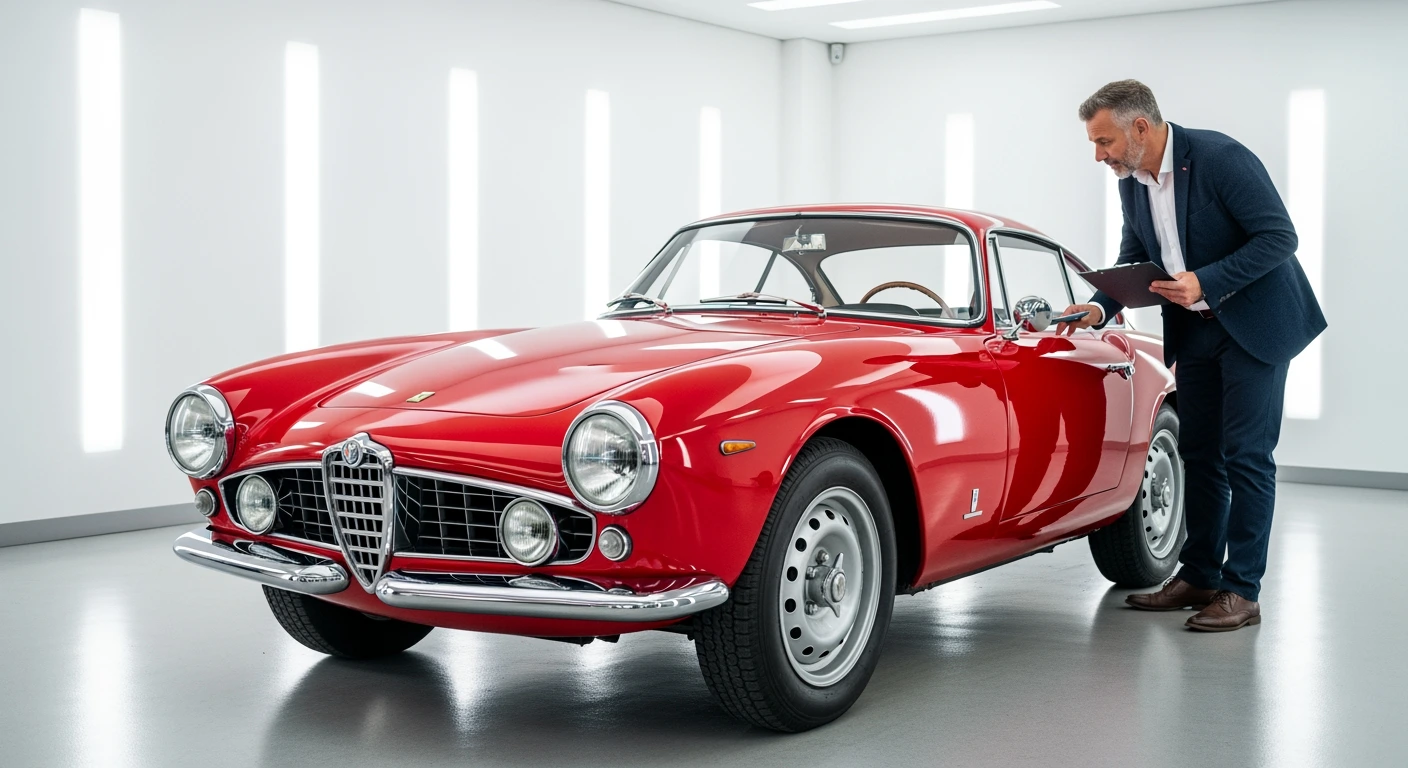
Beyond handbags, watches, and jewelry, Borro accepts luxury and classic automobiles as loan collateral. Classic cars, exotic sports cars, and limited-production vehicles undergo the same authentication, valuation, and secure storage process. Vehicle provenance documentation, service history, matching numbers status, and current market comparables all factor into the loan valuation. Learn more about classic car collateral loans.