
The luxury watch market has a counterfeiting problem that grows more sophisticated every year. Whether you are considering purchasing a pre-owned timepiece, verifying a watch you already own, or preparing a watch for a collateral loan or insurance appraisal, knowing how to assess authenticity protects you from significant financial loss. A genuine Rolex Submariner commands $8,000 to $15,000 on the secondary market. A counterfeit is worth nothing.
This guide covers the primary authentication markers that separate genuine luxury watches from counterfeits — from movement quality to serial numbers to the subtle details that trained eyes check first.
The Movement: The Most Reliable Authentication Marker
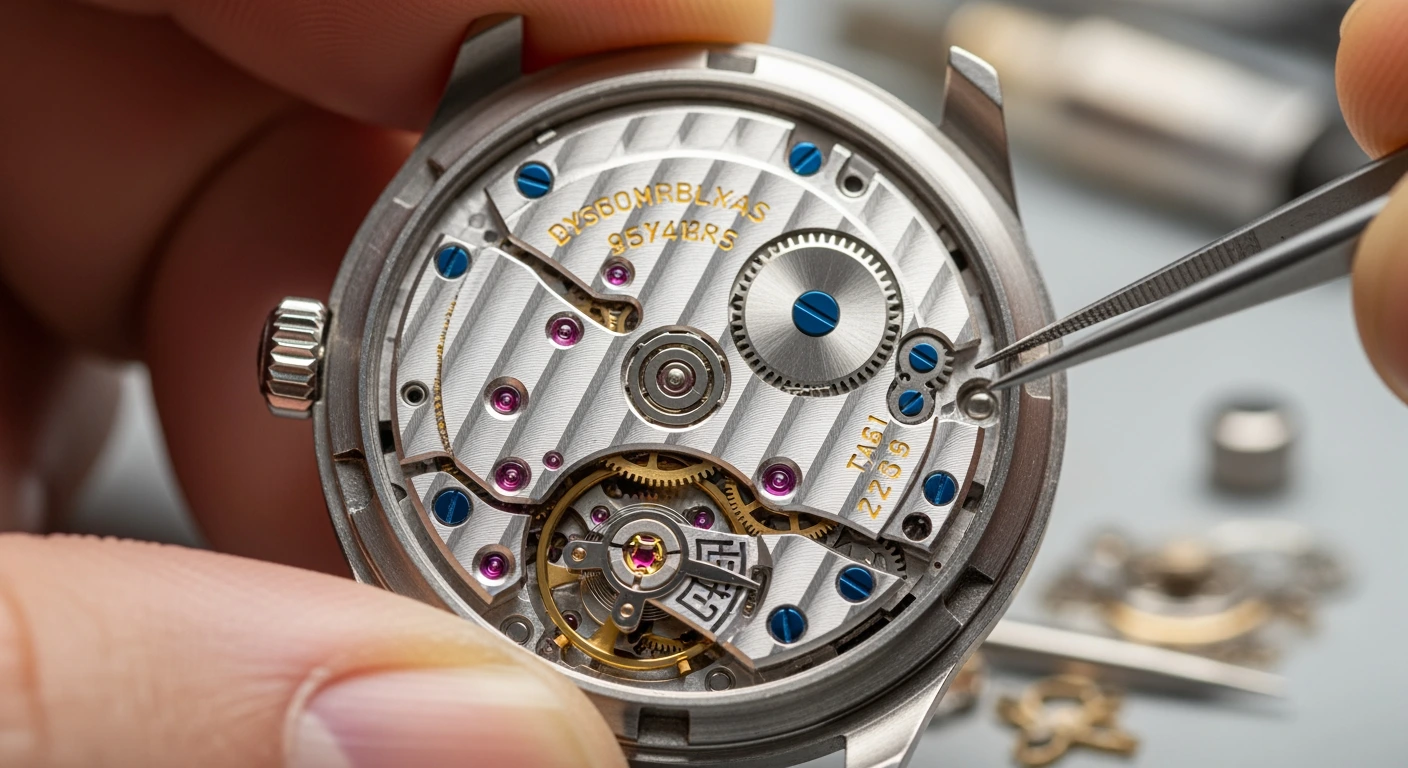
The movement — the mechanical engine inside the watch — is the single most reliable indicator of authenticity. Luxury manufacturers spend enormous resources on movement finishing because it represents their horological credibility. Counterfeiters invest in exterior appearance but consistently cut corners on what is hidden inside the case.
Genuine luxury watch movements display: Geneva stripes (Côtes de Genève) — parallel decorative lines polished into the bridges and mainplate. Perlage (circular graining) on the mainplate. Beveled and polished edges on every bridge and component. Blued screws (heat-treated to a deep blue color). Engravings identifying the caliber number, brand name, and serial number. Jewels (synthetic rubies) at bearing points, properly set and polished.
Counterfeit movements reveal: Machine marks without polishing. Rough or unfinished edges on bridges. Screws that are not blued or are painted rather than heat-treated. Generic movements (often modified Chinese or Japanese calibers) without brand-specific modifications. Missing or incorrectly formatted engravings.
Opening a caseback requires proper tools and should be done by a qualified watchmaker to avoid damaging the case or voiding any warranty. However, many modern luxury watches feature display casebacks (transparent sapphire crystal) that allow movement inspection without opening.
The Dial: Details That Counterfeiters Get Wrong
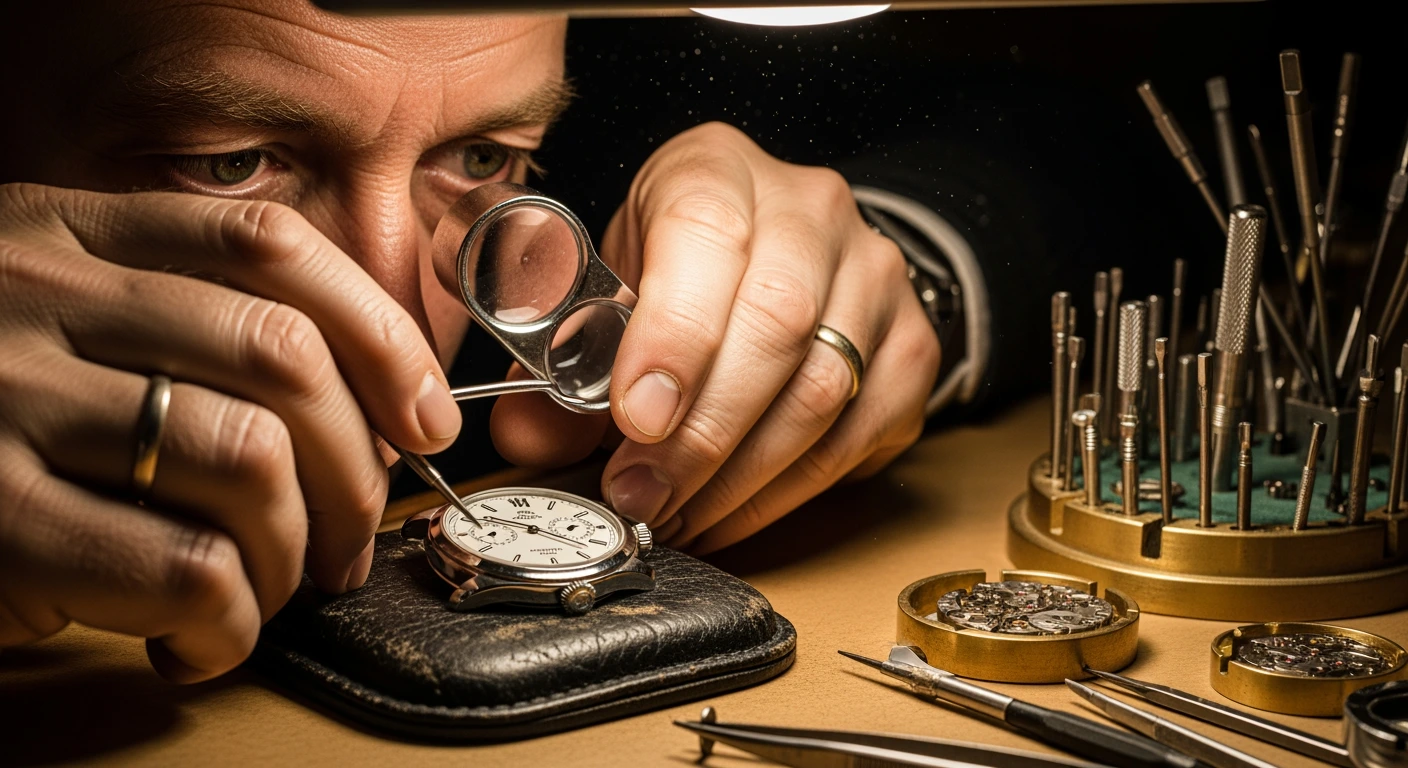
Under magnification, the dial reveals authentication details invisible to the naked eye.
Printing quality. Genuine luxury watch dials have printing that is perfectly crisp under 10x magnification — text edges are sharp, ink is evenly applied, and logos are precisely aligned. Counterfeit dials show fuzzy text edges, uneven ink density, and micro-alignment errors visible under a loupe.
Luminous material. Genuine modern luxury watches use proprietary luminous compounds (Rolex uses Chromalight, Omega uses Super-LumiNova). The material is applied evenly and precisely within each marker. Counterfeits often show uneven application, excess material, or incorrect luminous color.
Date window. On Rolex models with a date function, the Cyclops lens magnifies the date 2.5x — the date should fill most of the Cyclops window and be perfectly centered. Counterfeit Cyclops lenses typically provide less magnification (1.5x) and show a smaller, off-center date.
Serial Numbers and Reference Numbers
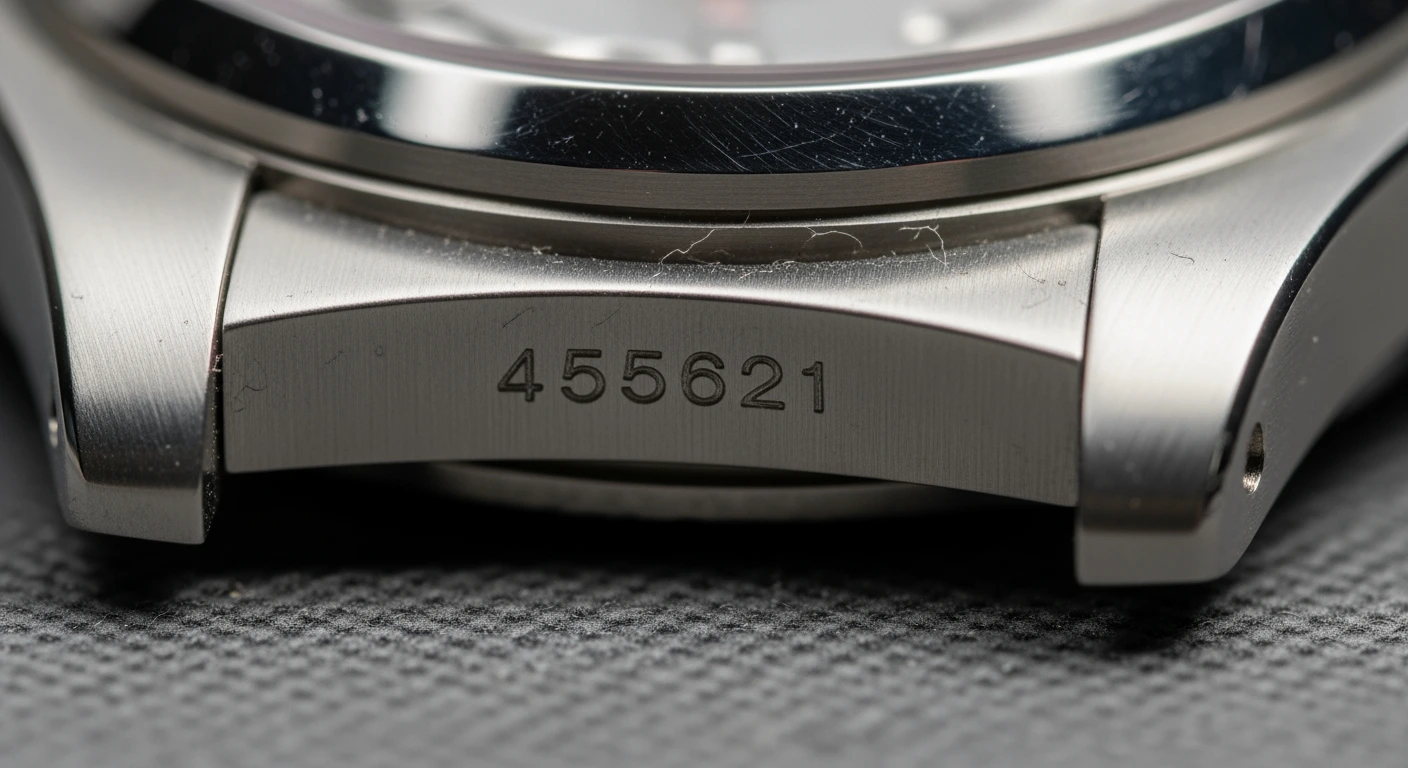
Every genuine luxury watch has a unique serial number that can be verified against the manufacturer’s records. The serial number’s location, format, and engraving quality are all authentication indicators.
Rolex serial numbers: Pre-2005 models have the serial number engraved between the lugs at 6 o’clock (visible when the bracelet is removed). Post-2005 models moved the serial to the inner bezel ring (rehaut) at 6 o’clock, where it is visible without removing the bracelet. The engraving should be deep, precise, and consistent with Rolex’s font standards for that production era.
What to verify: The serial number format matches the production era claimed. The engraving depth and quality is consistent with genuine manufacture (not laser-etched too faintly or stamped too aggressively). The font matches reference examples for that brand and era. The number can be cross-referenced against known production ranges.
Weight, Materials, and Feel
Genuine luxury watches are manufactured from specific materials — 904L stainless steel for Rolex (denser than standard 316L), 18k gold at precise alloy specifications, and sapphire crystal (not mineral glass). These materials give genuine watches a distinctive weight and feel that experienced handlers can detect. Counterfeits using inferior steel alloys, gold plating over base metal, or mineral glass feel noticeably lighter and less substantial.
Professional Authentication and Collateral Valuation
While these visual checks provide strong indicators, definitive authentication requires a qualified professional — a certified watchmaker with brand-specific training or a luxury asset specialist with access to reference databases and specialized equipment.
When you borrow against a luxury watch through Borro, authentication is built into the valuation process. Our specialists verify authenticity, assess condition, confirm reference and serial numbers against production records, and determine current market value — all before making a loan offer. The watch is stored in secure, insured, climate-controlled vaults during the loan term.
Own a luxury watch and need liquidity? Learn how Borro’s luxury watch loan process works — from authentication through funded loan, typically within 24 hours.