
In the high-stakes environment of small to mid-sized enterprise (SME) management, liquidity is the lifeblood of survival and growth. Yet, for many CEOs and business owners, there is a recurring paradox: possessing significant balance sheet strength or personal wealth, while simultaneously facing a temporary shortfall in liquid cash. This “liquidity gap” often occurs at the most inconvenient times—during a sudden expansion opportunity, a seasonal inventory surge, or while awaiting the settlement of a substantial invoice.
Traditional banking institutions, burdened by stringent post-2008 regulatory frameworks and exhaustive underwriting processes, are rarely equipped to move at the speed of modern commerce. When a business needs capital in 48 hours to secure a contract or meet a critical obligation, a 60-day SBA loan cycle is not just unhelpful—it is a liability. This is where luxury asset bridge financing emerges as a sophisticated, strategic tool for the agile executive. By leveraging personal high-value assets, business owners can unlock immediate working capital without the bureaucratic friction of conventional lending.
The Speed of Business vs. The Speed of Banks
The fundamental disconnect in the modern financial landscape is the difference between “business time” and “bank time.” Business time is measured in hours and days; it is the window of opportunity to acquire a competitor, purchase raw materials at a discount, or settle a tax liability before penalties accrue. Bank time, conversely, is measured in weeks and months. The traditional commercial lending process involves exhaustive audits, historical revenue verification, and often, personal guarantees that can entangle a business owner’s entire financial profile for years.
For a CEO, the opportunity cost of waiting for a bank approval often exceeds the cost of the capital itself. If a $250,000 bridge loan allows a company to secure a $2 million contract, the interest rate becomes secondary to the utility of the funds. Luxury asset bridge financing operates on the principle of asset-intrinsic value rather than credit-score-driven speculation. Because the loan is secured by a tangible, high-value item—such as a blue-chip artwork, a vintage supercar, or a rare timepiece—the underwriting process is condensed from months into a matter of hours.
Data suggests that the traditional lending gap is widening. While large corporations have ready access to revolving credit lines, SMEs often find themselves in a “missing middle.” This necessitates a more creative approach to capital. Using luxury assets as collateral allows a business owner to bypass the traditional credit committee entirely, converting a dormant personal asset into an active business catalyst.
Strategic Use Cases for Bridge Capital
Bridge financing is, by definition, a short-term solution designed to “bridge” the gap until a specific liquidity event occurs. For business owners, these events typically include the receipt of accounts receivable, the closing of a funding round, or the sale of real estate. According to industry data, 70% of SMEs face cash flow gaps primarily due to delayed receivables. When a major client pushes a payment from 30 to 90 days, the resulting strain on operations can be catastrophic.
The strategic applications of luxury asset bridge financing are diverse:
- Inventory Acquisition: Wholesale opportunities often arise with little notice. A business owner might have the chance to purchase stock at 40% below market value if they can close the deal within 72 hours. An asset-backed loan provides the “dry powder” necessary to execute.
- Tax Obligations: Quarterly tax payments or unexpected audit settlements can drain operational reserves. Using a luxury watch or jewelry collection to fund these payments keeps the business’s cash flow dedicated to growth.
- Payroll Continuity: For service-based firms or startups, a delay in a single large contract payment can jeopardize payroll. A bridge loan ensures that the firm’s most valuable asset—its talent—remains paid and productive.
- Managing Opportunity Cost: Sometimes, the best use of a bridge loan is to avoid selling an appreciating asset. Instead of selling a piece of fine art to fund a business move, the owner can borrow against it, retaining the upside of the asset’s value while still accessing the capital needed for the company.
To understand how these loans compare to traditional routes, consider the following breakdown:
| Financing Scenario | Traditional Commercial Loan | Borro Asset Loan |
|---|---|---|
| Speed to Fund | Weeks to Months | 1 – 2 Business Days |
| Collateral | Business Assets / Real Estate | Personal Luxury Assets |
| Use of Funds | Restricted / Monitoring | Unrestricted |
| Balance Sheet Impact | Liability Recorded | Off-Balance Sheet (Personal) |
Leveraging Personal Assets for Corporate Gain
One of the most significant advantages of luxury asset bridge financing is the ability to separate personal credit from business liability. When a CEO takes out a traditional business loan, they are often required to provide a personal guarantee, which can impact their credit capacity for personal ventures, such as purchasing a home or other investments. However, a collateral-based loan on a luxury asset is typically non-recourse or limited in its impact on business credit reports.
By using a personal asset—perhaps a Ferrari, a collection of Patek Philippe watches, or an Andy Warhol original—the business owner is effectively “hiring” their own wealth to work for the company. This is a common strategy among high-net-worth individuals who understand that liquidity is more important than ownership in the short term. It allows for strategic collateral business loans that do not require the business to take on traditional debt that might violate existing bond covenants or bank agreements.
Furthermore, this type of financing is an excellent tool for luxury inventory loans. For example, a dealer in high-end classic cars or fine jewelry may use their existing inventory to fund the acquisition of new pieces, creating a virtuous cycle of liquidity and growth that doesn’t rely on the slow-moving gears of a commercial bank’s asset-based lending department.
Case Study: Meeting Payroll with a Patek
Consider the case of a mid-sized architectural firm based in New York. The firm had recently won a major municipal contract, but the initial mobilization payment was delayed by 45 days due to administrative hurdles at the city level. Meanwhile, the firm had 40 employees to pay and significant vendor expenses for the project’s start.
The CEO, a collector of fine timepieces, held a Patek Philippe Ref. 5270P Perpetual Calendar Chronograph. Rather than seeking an emergency line of credit from the bank—which would have required a grueling 30-day review of the firm’s last three years of tax returns—the CEO opted for a luxury asset bridge loan.
The process was straightforward: the watch was appraised, and within 24 hours, the firm had $150,000 in its operating account. This capital covered two cycles of payroll and kept the project on schedule. When the city finally issued the mobilization payment 40 days later, the CEO repaid the loan and retrieved the watch. The business remained solvent, the employees remained confident, and the CEO retained his asset—all without a single mark on the business’s credit score or a lengthy bank negotiation.
How to Apply
The process of securing luxury asset bridge financing is designed to be as streamlined as the businesses it serves. Unlike the mountains of paperwork required by traditional lenders, the focus here is on the provenance and value of the asset.
1. Initial Consultation and Valuation
The process begins with a description of the asset. Experts in fine art, watches, jewelry, or classic cars provide a preliminary valuation based on current market data and auction results. This can often be done remotely via high-resolution imagery and documentation.
2. Asset Inspection and Logistics
Once a preliminary offer is accepted, the asset is transported to a secure facility for a physical inspection. Professional lenders provide fully insured shipping and white-glove handling to ensure the asset’s condition is preserved. For high-value collections, on-site appraisals can sometimes be arranged.
3. Funding
Upon verification of the asset’s authenticity and condition, a final loan agreement is issued. Funds are typically wired to the business or personal account within 24 to 48 hours. The asset is then held in a highly secure, climate-controlled vault or specialized storage facility for the duration of the loan.
4. Repayment and Return
Bridge loans are generally structured for terms of 6 to 24 months, though they can often be repaid early without penalty. Once the loan is settled, the asset is returned to the owner in the exact condition it was received.
Frequently Asked Questions
Q: Can I use my personal car for a business loan?
A: Yes, leveraging personal luxury vehicles for business capital is a common use case. If the vehicle has significant equity and is a recognized luxury or classic brand (such as Porsche, Ferrari, or Lamborghini), it can serve as excellent collateral for immediate business funding.
Q: Is this reportable to business credit bureaus?
A: No. Because the loan is secured specifically by the physical asset, it is typically an off-balance-sheet transaction for the business. It does not impact your business credit score, making it an ideal “invisible” source of liquidity that doesn’t interfere with other financing arrangements.
Q: What types of assets are most commonly used?
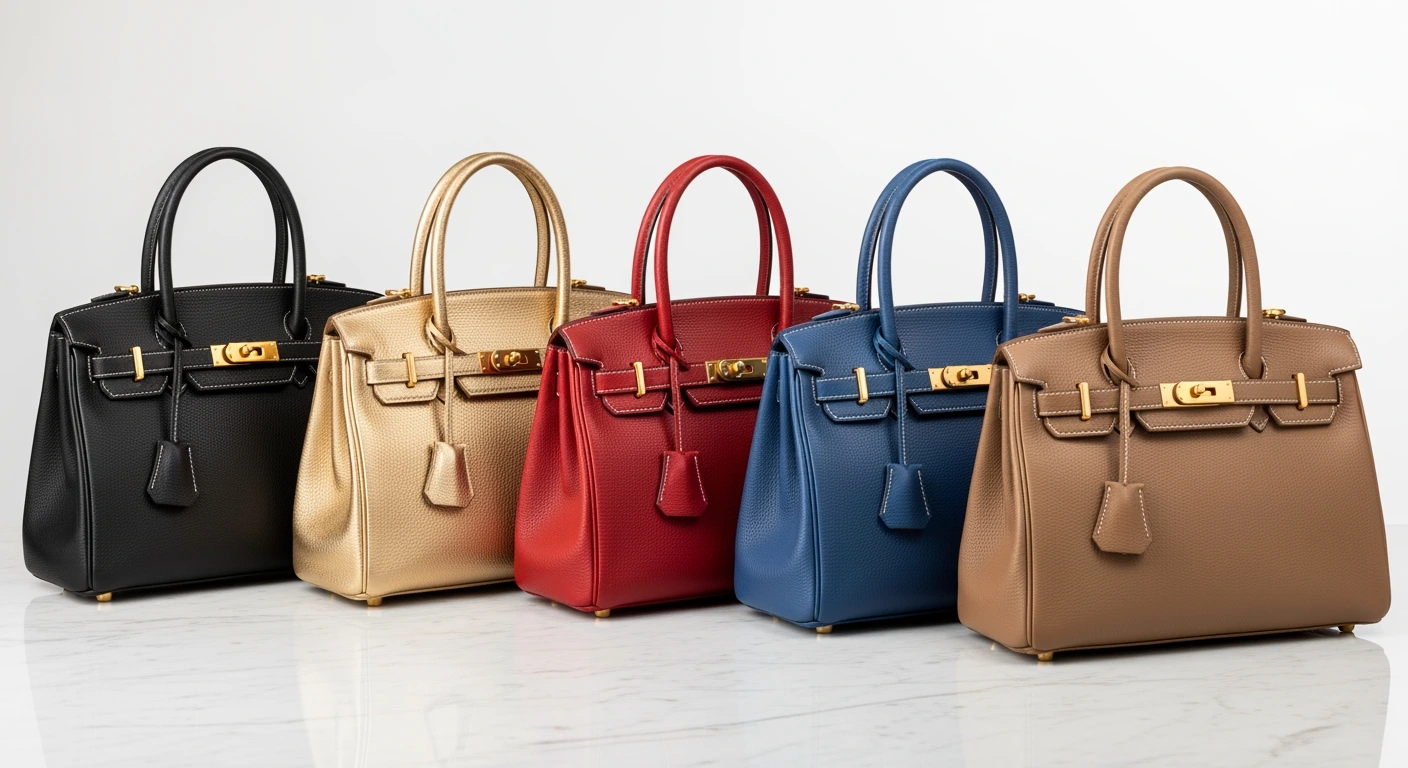
A: We see a wide range of assets, including high-end watches (Rolex, Patek Philippe, Audemars Piguet), fine art (modern and contemporary masters), GIA-certified diamonds, and luxury handbags (Hermès Birkin or Kelly). Any asset with a robust secondary market can potentially be used for bridge financing.
Conclusion
In an era where agility is a competitive advantage, the ability to rapidly convert personal luxury assets into business capital is a potent strategy for any CEO or business owner. Luxury asset bridge financing offers a level of speed, privacy, and flexibility that traditional banks simply cannot match. By viewing high-value personal items not just as trophies of success, but as functional tools for liquidity, business leaders can ensure they are always ready to cross the bridge to their next major opportunity.